Positive Discipline: Raising Children with Respect and Safety
Honouring our values while keeping children safe. Every parent wants their child to grow up with good values—to be respectful, responsible, caring and able to make good choices. For many families, culture, traditions, faith, and how parents were raised influence
discipline. Sometimes physical discipline has been viewed as a normal or effective way of teaching children.
As families live and raise children in New Zealand, it is important to understand that physical punishment is not an acceptable way to discipline children under New Zealand law.
This does not mean that parents who have used physical punishment are “bad parents.” Often, parents are trying to do what they believe is best for their children. The important question is: How can we teach the same values in a way that keeps children safe and strengthens the parent-child relationship?
What does New Zealand law say?
New Zealand law does not allow physical force to be used to punish or correct a child.
The Crimes Act 1961 sets out this legal boundary. The Oranga Tamariki Act 1989 provides the wider framework for promoting the wellbeing and safety of children and responding when there are concerns about their care or protection.
There are limited situations where reasonable physical force may be necessary—for example, to prevent a child from harming themselves or another person. This is different from using physical force as punishment.
Culture and tradition are important, but they do not make physical punishment lawful.
“But this is how we were raised.” Many parents may say: “My parents disciplined me this way, and I turned out okay.”
Understandably, our own childhood experiences influence how we parent. At the same time, we can choose to keep the values that are important to our families while changing practices that may cause fear, hurt, or harm.
We can preserve respect, responsibility, family connection, cultural identity and strong boundaries without using physical punishment.
What can positive discipline look like?
Positive discipline does not mean allowing children to do whatever they want. Children still need boundaries, expectations, consequences and guidance. Parents can:
-
- Set clear and age-appropriate rules.
- Explain expectations calmly and consistently.
- Give children choices where appropriate.
- Use reasonable, non-physical consequences.
- Notice and praise positive behaviour.
- Help children name and manage their emotions.
- Teach children how to repair mistakes.
- Model the respect and self-control we expect from them.
- Take a short break when our own emotions are becoming too strong.
For example, instead of hitting a child who is being disrespectful, a parent might say: “I know you’re angry, and it’s okay to feel angry. It is not okay to speak to someone disrespectfully. Let’s take a moment to calm down, and then we can talk about what happened.”
This teaches the child that feelings are okay, but behaviour has boundaries.
Discipline can be firm without being physical
Children learn best when discipline is consistent, predictable and connected to the behaviour.
Instead of asking: “How can I make my child obey?” we can ask: “What do I want my child to learn from this situation?”
That small change in thinking can make a big difference. If we want children to learn respect, we can model respect. If we want them to learn self-control, we can help them practise self-control. If we want them to take responsibility, we can give them opportunities to repair mistakes and make better choices.
You don’t have to parent alone
Changing a long-standing approach to discipline can be challenging, particularly when it has been part of family or cultural traditions.
Asking for support is not a sign of failure. Talking with a counsellor, health professional, parenting service, trusted whānau member, or community support person can help families find approaches that fit their values while keeping children safe.
We can honour where we come from while choosing how we move forward.
Our children can learn respect, responsibility and strong family values without fear of being hit.
Positive discipline is not about being a permissive parent. It is about guiding children firmly, safely and respectfully—and helping them develop the skills we want them to carry into adulthood.
For further information about New Zealand’s child-safety and parenting laws, parents
can refer to the Crimes Act 1961 and the Oranga Tamariki Act 1989, or seek advice
from an appropriate New Zealand professional or government service.
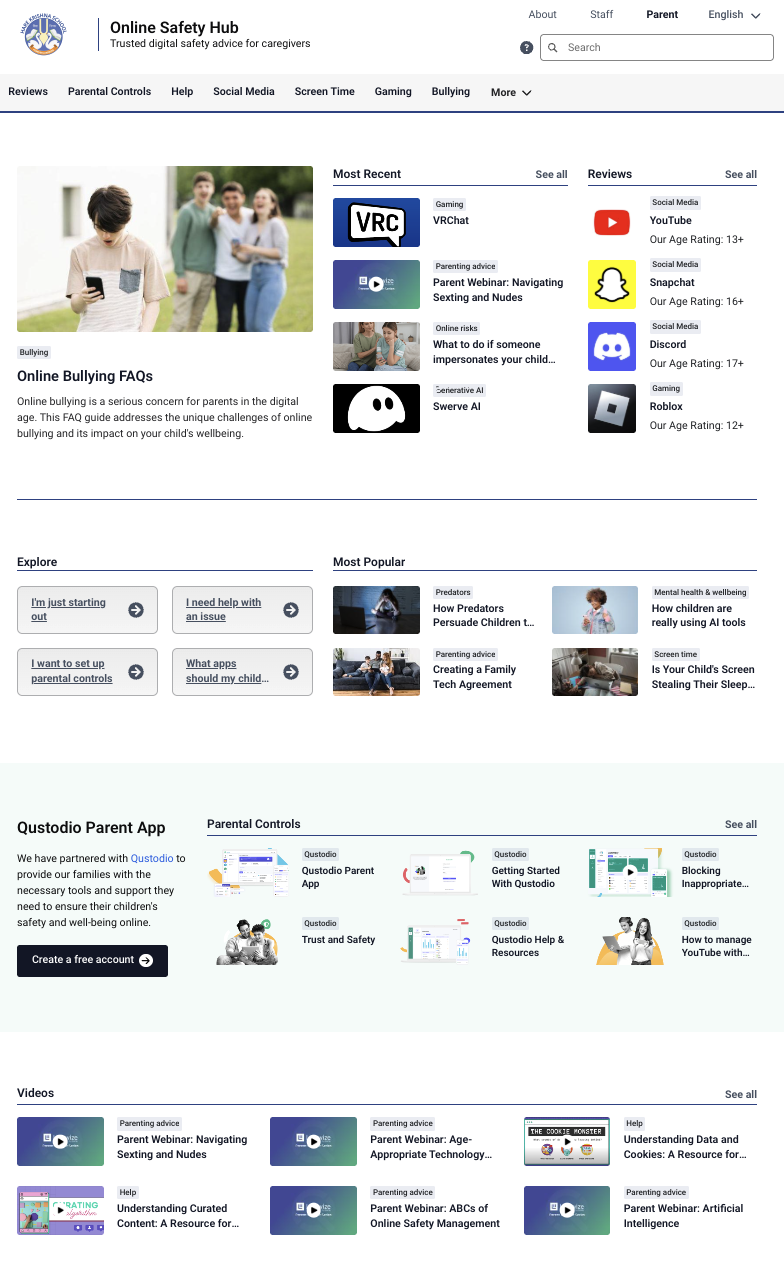
Online Safety Hub
Visit the Hare Krishna School Online Safety Hub to learn more about how you can keep your children safe online.