

Exploring Future Possibilities
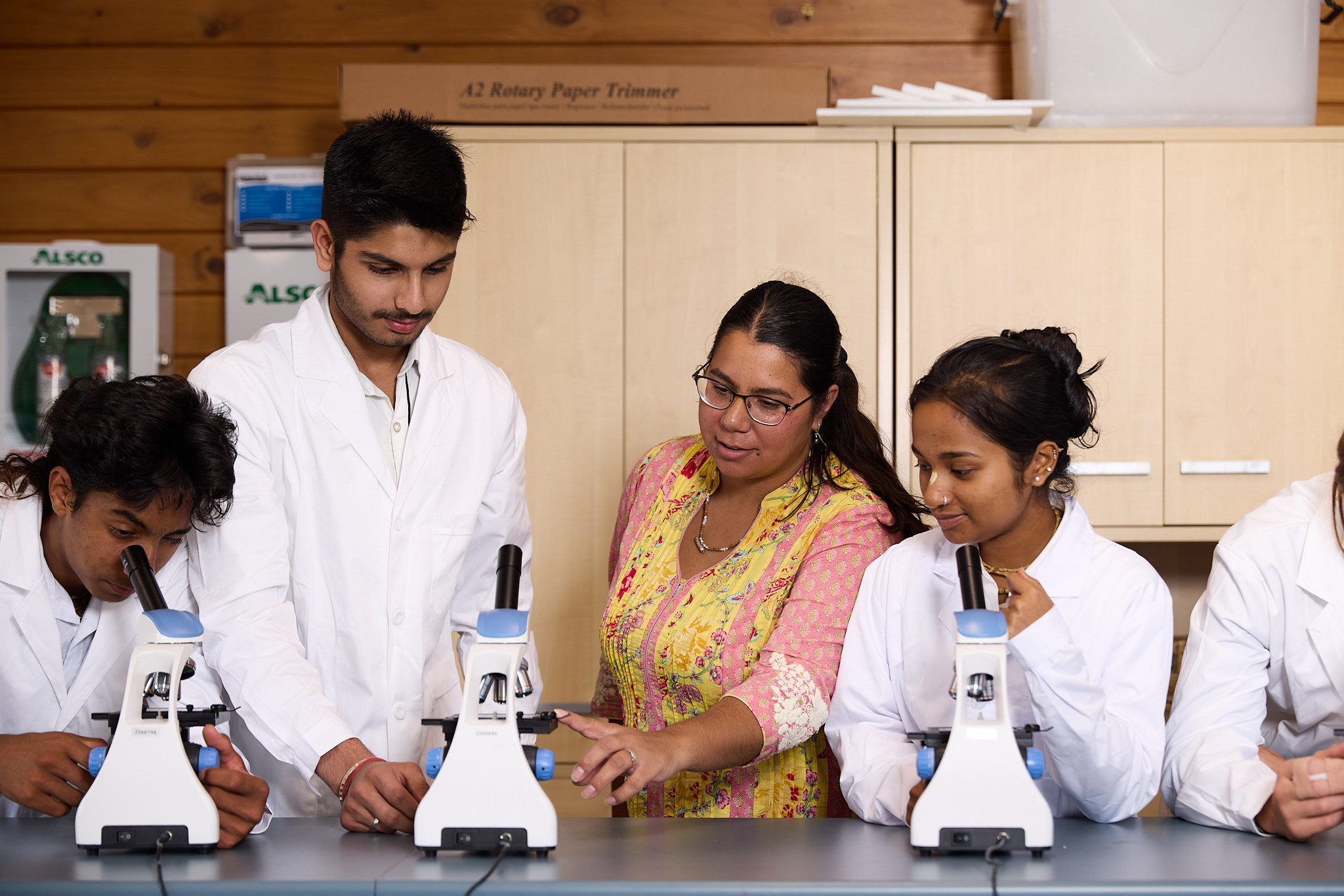
Students are introduced to career and pathway exploration throughout their secondary years. In Years 9 and 10, students can begin exploring their interests, strengths and possible future directions, while Years 11–13 receive increasingly individualised guidance as they make decisions about subjects, qualifications and post-school pathways.
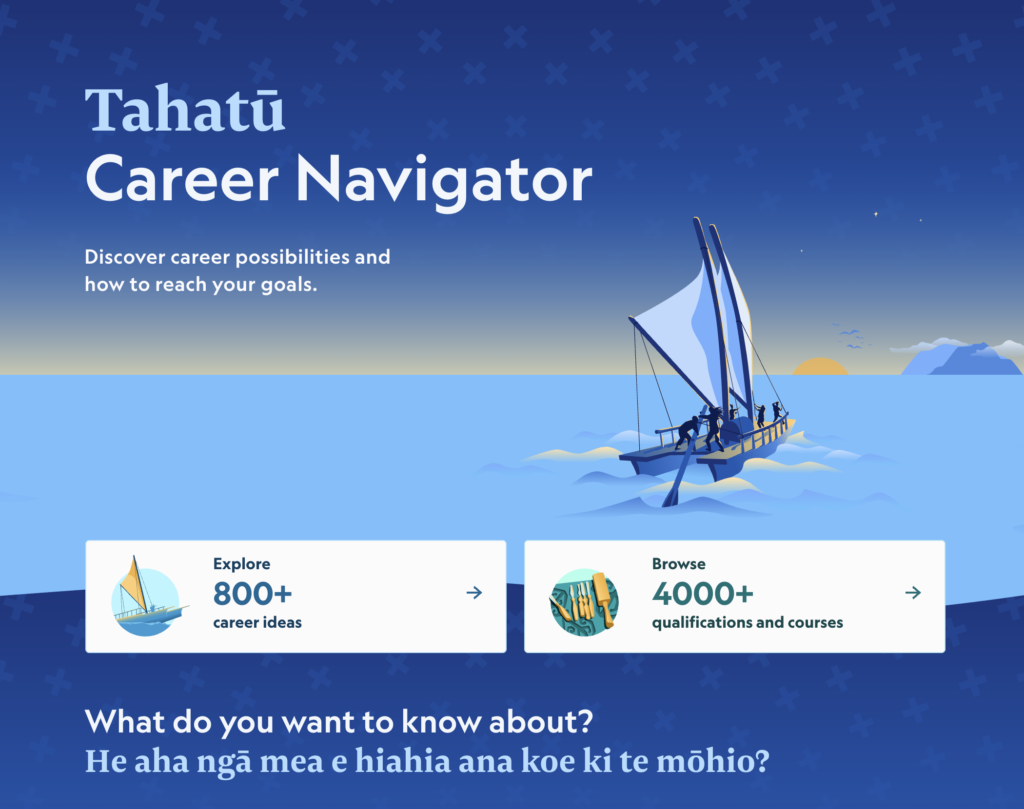
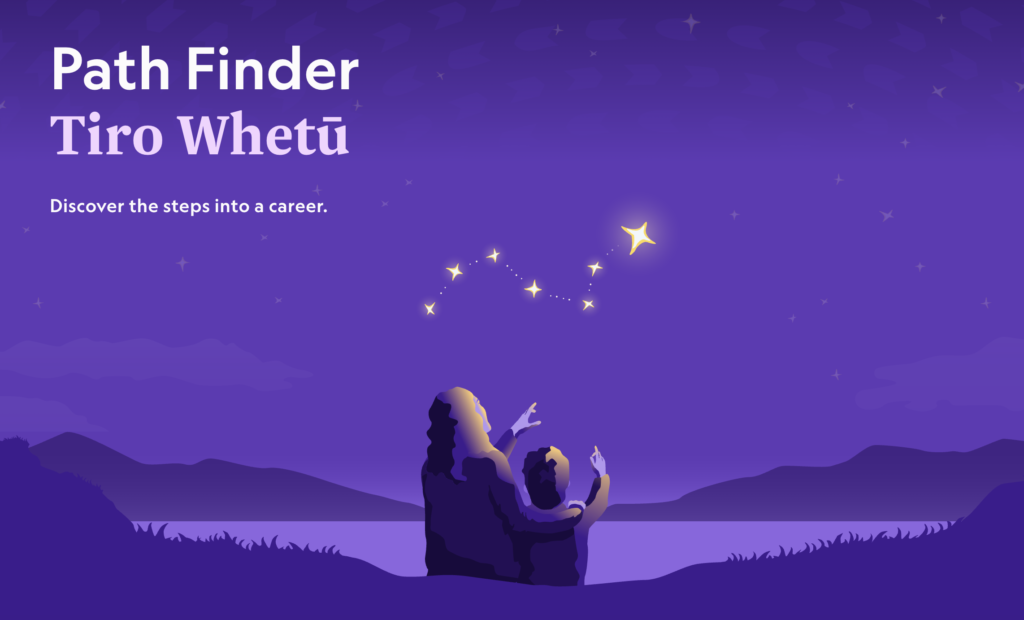
Senior students use resources such as Tahatū Career Navigator and Path Finder to explore careers and industries, identify areas that align with their interests and strengths, and investigate the different pathways that can lead to particular careers.
Students learn to consider:
- recommended school subjects and NCEA requirements
- university and other tertiary study
- vocational education and training
- apprenticeships and workplace-based learning
- course and qualification entry requirements
- scholarships and financial support
- employment opportunities and work experience.
Rather than expecting students to decide immediately on a single career, we encourage them to explore several realistic possibilities and remain open to where their abilities, interests and opportunities may lead.
Purpose, Character and Service
As a Krishna-conscious school, our approach also encourages students to think beyond career success alone. Students are encouraged to consider how their abilities can be developed responsibly and used in meaningful service to others.
The Bhagavad-gītā teaches the importance of understanding one’s nature and engaging one’s abilities appropriately. In this spirit, career and pathway education helps students consider not simply “What occupations am I interested in?”, but also “What are my strengths, how can I develop them, and how can I use them purposefully?”
Our goal is for each student to leave Hare Krishna School equipped to make informed choices and take purposeful next steps into further education, training, employment and a life of meaningful contribution.
Individual Career Guidance
Individual career conversations are an important part of our approach, particularly for senior students.
Through career conferences, students are supported to reflect on their interests, strengths, values, abilities and longer-term aspirations. Resources including Career Dharma, Tahatū and other career-planning tools help students develop greater self-understanding and investigate suitable options.
Once a student identifies a possible direction, we help them map the steps required to pursue it. This may include subject selection, NCEA planning, tertiary prerequisites, applications, scholarships, training opportunities and possible work experience.
Senior students can also use scheduled study periods to seek further guidance with pathway planning, applications and career decisions.
Developing Career-Ready Skills
Career education also helps students develop practical skills for entering further education, training and employment.
Students have access to learning and resources covering career research, identifying personal strengths and transferable skills, preparing a CV, completing applications and preparing for interviews.
Career Week, career expos and connections with tertiary providers, training organisations and employers further broaden students’ understanding of the opportunities available beyond school.
Working with Whānau
We recognise that important decisions about a young person’s future are best supported through partnership between the student, school and whānau.
Career information and resources are shared with families where appropriate so that conversations about subjects, tertiary education, training and employment can continue at home. As students approach the end of secondary school, we aim to ensure that they and their whānau understand the requirements and next steps associated with their chosen pathways.